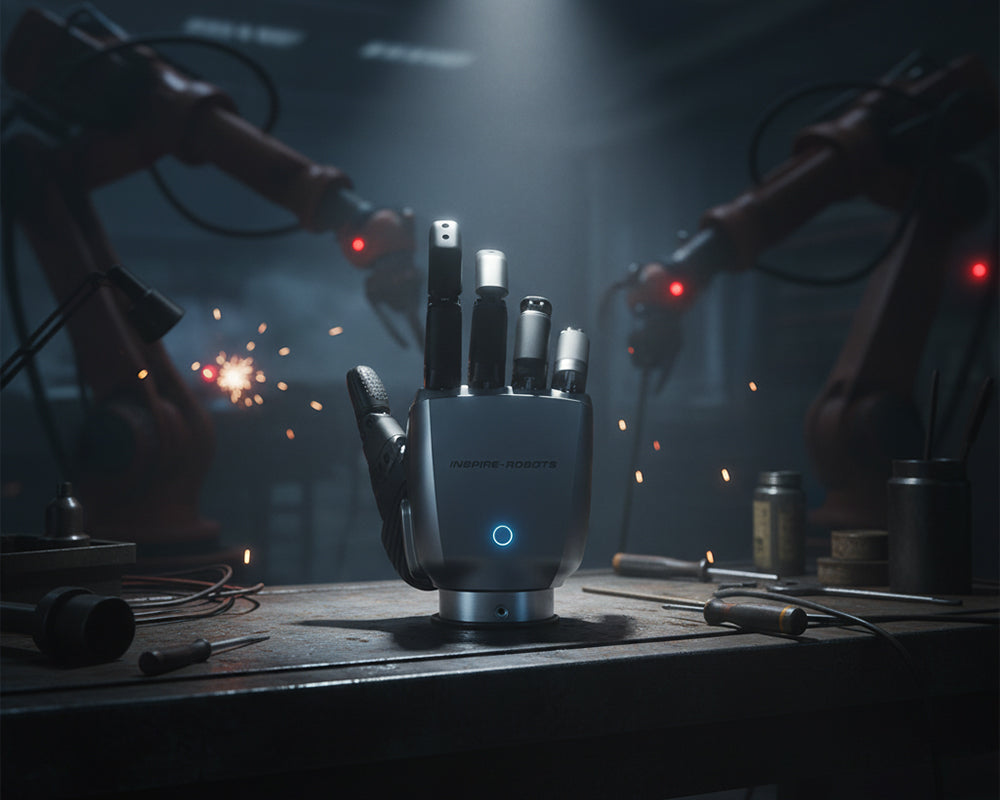
Robotic arms have become one of the most important components in modern automation. From industrial manufacturing to research laboratories, robotic arms are transforming the way tasks are performed with greater precision, speed, and efficiency.
What Are Robotic Arms?
A robotic arm is a programmable mechanical device designed to mimic the movement and functionality of a human arm. With multiple joints and degrees of freedom, robotic arms can perform complex tasks such as assembly, material handling, welding, and inspection.
Advanced robotic arms are often integrated with sensors, cameras, and AI-powered systems to achieve higher levels of accuracy and adaptability.
Applications of Robotic Arms
Robotic arms are widely used across many industries:
Manufacturing
Automated assembly lines rely heavily on robotic arms for tasks such as welding, packaging, and product assembly.
Research and Development
Universities and robotics labs use robotic arms to test algorithms, artificial intelligence, and motion planning.
Logistics and Warehousing
Robotic arms help automate sorting, picking, and packaging processes, improving efficiency and reducing human labor.
Why Robotic Arms Matter
Robotic arms improve productivity while maintaining consistent quality. Their ability to operate continuously with minimal errors makes them a powerful tool for modern automation.
As robotics technology advances, robotic arms are becoming smarter, safer, and more adaptable, opening new possibilities for industries around the world.